Spatial computing sounds like something pulled from a sci-fi script, but it’s already slipping into daily conversations. You may have heard friends hype it up, or maybe seen someone wearing a futuristic headset at the mall. At its core, the idea is simple: your digital tools stop living inside screens and start mixing with the physical world around you. That blend shifts how we work, play, and even communicate. The fun part is that you don’t need to be a programmer or tech wizard to appreciate what’s going on. Spatial computing tries to create more moments like that. It anchors virtual objects to real space, giving digital stuff a sort of “presence.” It’s weird at first, then strangely addictive.
How Spatial Computing Works
Spatial computing relies on sensors, cameras, and lightweight processing magic that track your surroundings. Your device watches walls, floors, furniture, and even your hand motions to understand what’s near you. Once it maps the area, it can “place” digital tools in a way that feels grounded and stable. Suddenly, apps behave as if they share your living room. This mix creates an experience that feels surprisingly intuitive. A floating screen stays in front of you even if you turn your head. A virtual tape measure sticks to a real shelf without sliding off. It’s all powered by rapid calculations behind the scenes, giving digital objects the illusion of behaving like physical ones.
Key Features That Set It Apart
One major feature is spatial awareness. Devices interpret depth, scale, and distance, which lets digital objects act like well-behaved guests instead of chaotic stickers slapped on your vision. This is the same tech that helps some phones build 3D maps or recognize hand gestures. It turns motion into input without pressing a single button. Another important feature is immersion. Instead of staring at something, you feel as if you’re interacting with it. A dashboard can appear above your desk without blocking your coffee. A game character can run across your real rug like it pays rent. The feeling triggers excitement, curiosity, and—occasionally—mild confusion when you try to touch something that isn’t actually there.
Everyday Uses You’ll Actually Care About
One growing use is productivity. Imagine pinning multiple screens around you without needing extra monitors. Your notes can hover beside your calendar, and your to-do list can sit near your keyboard. It gives your space visual organization without buying more physical stuff. Another common use is entertainment. Games take on new depth, and movies can feel like personal IMAX moments. Even simple tasks become amusing. People already play with spatial drawing apps or drop digital pets into their living rooms. It adds spontaneity to routines that usually feel repetitive.
Why People Think It Has Major Potential
Fans see spatial computing as a fresh jump forward. They picture kitchens with floating recipe cards that move as you cook or garages where digital guides help you wrench on your truck. The idea is to bring digital info into places it couldn’t comfortably exist before. It shifts tech from being something you hold to something that joins you. Developers also see opportunities for training, design, and education. Kids can walk around a virtual solar system. Architects can test life-size rooms before building a single wall. Mechanics can preview engine diagrams in the exact space they’re working. It blends creativity with function in a way that feels almost playful.
Spatial computing is still early, but the excitement surrounding it feels justified. It gives technology a new dimension—literally—and invites people to interact with it in ways that feel lively and hands-on. If the past few years were about smaller phones and sharper screens, the next might be about dissolving those screens altogether.


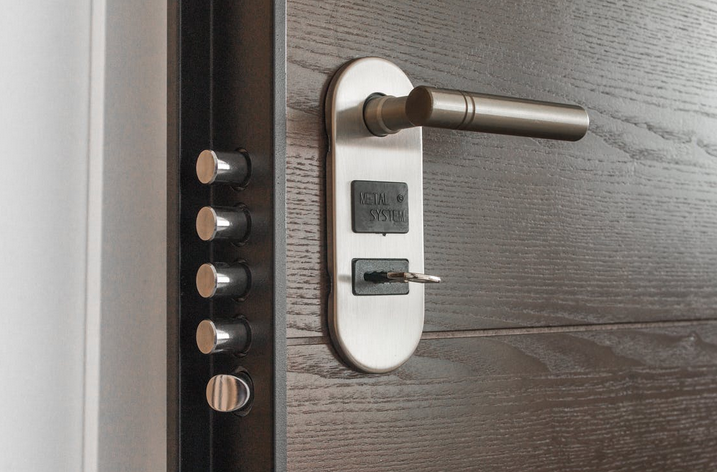
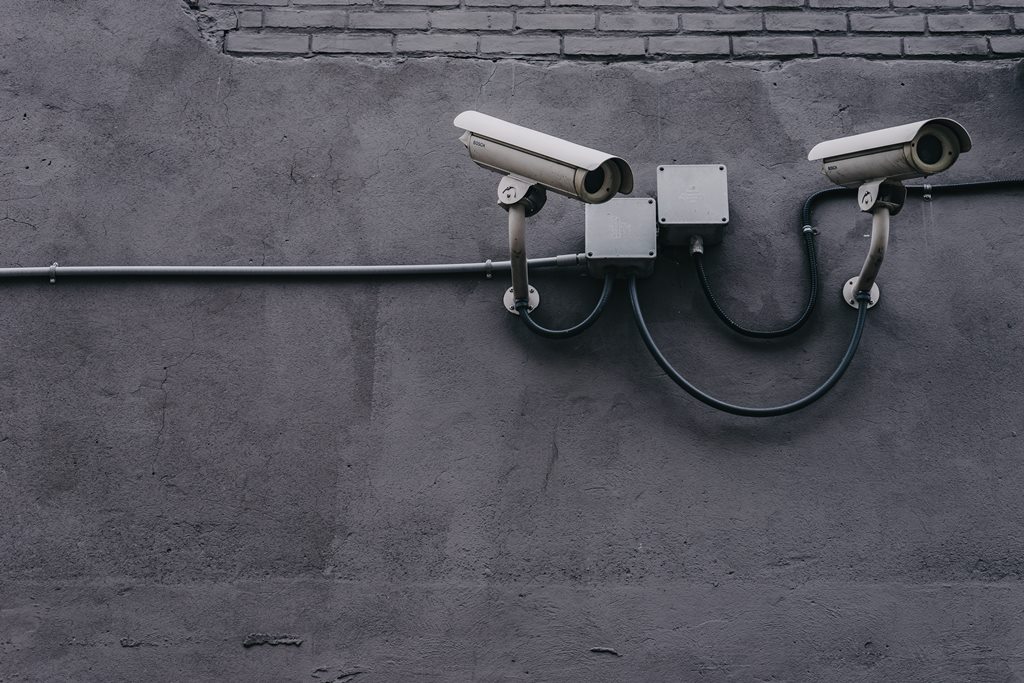
 Another great advantage of an intelligent home automation system is providing you with video surveillance and remote monitoring solutions. This means that you can see what is happening in your home, no matter where you are. It can be a beneficial feature if you have young children or pets. It can also help deter burglars, as they will know that they are being monitored. One of the best things about an intelligent home automation system is that you can remotely control all of your household functions. You can turn on your lights, appliances, and heating and cooling systems from anywhere.
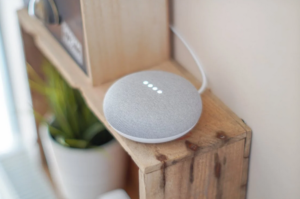 Another advantage of an intelligent home automation system is that it can increase the value of your property. An intelligent home automation system can be a selling point for potential buyers when you sell your home. They will appreciate the convenience and efficiency that these systems offer. This can help to make your home more marketable and increase its value.
 The first thing you should do when finding the best internet service provider is to read online reviews from their actual customers. It can be a great way to get what others think about the company and its service.
 Once you’ve read some reviews and narrowed down your options, the next step is to compare the speeds and prices of different providers. It will help you determine which company can offer you the best value for your money.
 Another essential factor to consider is customer service. You want to make sure that you’re working with a company that will be able to help you if you have any problems.
 Fire and rescue service is a critical part of our society. They are responsible for saving lives, property and maintaining public safety in a disaster or emergency. Technology has changed the nature of fire and rescue services in many ways over the years. Technology influences how they respond to emergencies in a variety of ways.
 Technology has also had an impact on the way that firefighters are trained. Many fire departments now use simulation software to train firefighters in real-world situations. It allows them to prepare for emergencies more effectively, making it easier to respond quickly and appropriately. Technology is an integral part of any fire department’s response plan today. It has changed how they operate in numerous ways but has not always been received positively by everyone involved with the profession.
 Military hacking is a thing, and it’s super dangerous if confidential state secrets and information fall into the wrong hands because it compromises the nation’s security. What if the enemy launched our nuclear warheads at our own people? What if they could shut down our nuclear base? What if they were able to obtain information about troop movements, secret bases that are still classified, etc.?
 Reliability is one of the important factors you should put into consideration when looking for an internet provider. As mentioned earlier in the text, many people these days heavily rely on the internet. Your work may be on the line depending on the type of internet provider you chose. You should ensure that you select someone who is always available.
 The location of your spy camera is quite important. For instance, if you are planning to monitor the car, your device will be outdoors. That means it should be waterproof and even record in darkness with infrared. However, if you are going to use it in the office, then the camera should be undetectable or be convincing like the everyday object. It is a good idea to choose a device that can go undetected whilst offering your camera a view throughout the use, with angles, quality, and light.
 On Apple’s official website, they have a twelve south Book Arc stand that goes for around $50.
 Conventional slips are limited in a way that they cannot be used to promote other products. Some stores have been using the paper slips to showcase their new products, but the method is not effective as customers barely see what is printed other than the total price. However, things are different with the new invention as it offers a more economical choice and an effective platform to promote products. Digital receipts are often linked to the store’s main website to guide and inform the customers that the store has the items they need.