
In an era where digital landscapes are as contested as physical territories, cybersecurity has become a crucial pillar of national defense. Gone are the days when military might was solely defined by tanks and troops. Today, sophisticated cyber threats loom large, with hackers capable of infiltrating systems to disrupt operations on an unprecedented scale. As nations grapple with these evolving challenges, cutting-edge computer technology emerges as a formidable ally in safeguarding military interests. Understanding this intersection between cybersecurity and national defense is essential for anyone who wants to grasp the dynamics of modern warfare and security strategies. Dive into this exploration of how advanced tech not only defends against attacks but also reshapes the future of our armed forces.
Types of Cybersecurity Threats and Their Impact on Military Operations
Military operations face a variety of cybersecurity threats that can compromise mission success. One major type is malware, which can infiltrate systems and disrupt critical functions. This kind of threat often leads to data breaches, exposing sensitive information. Phishing attacks are another significant concern. These tactics trick personnel into revealing confidential credentials. When military staff falls victim, it could lead to unauthorized access to secure networks. Additionally, nation-state actors pose an advanced threat through sophisticated cyber espionage techniques. They aim to steal intelligence or sabotage operations from afar.
The Role of Cutting-Edge Computer Tech in Protecting Military Operations
Cutting-edge computer technology plays a vital role in safeguarding military operations. Advanced algorithms and artificial intelligence enhance threat detection, allowing forces to respond swiftly to cyber intrusions. Machine learning models analyze vast amounts of data, identifying patterns that human analysts might miss. This proactive approach significantly reduces vulnerabilities. Encryption technologies protect sensitive communications from prying eyes. Quantum encryption is emerging as an unbreakable standard for secure information transfer in the field.
Examples of Innovative Cybersecurity Technologies Used in National Defense

The landscape of national defense is evolving with remarkable technologies. One standout example is artificial intelligence (AI) used in threat detection. AI algorithms analyze vast amounts of data, identifying potential risks faster than human analysts. Next, we have blockchain technology, which enhances data integrity and security. This decentralized approach ensures that military communications remain tamper-proof and authentic. Additionally, quantum cryptography offers a new level of secure communication. By leveraging the principles of quantum mechanics, it promises unbreakable encryption methods for sensitive information.
Challenges and Limitations of Using Cutting-Edge Tech for National Defense
Adopting cutting-edge technology in national defense comes with its own set of challenges. One major issue is the rapid pace of technological advancement. Keeping up can strain budgets and resources, making it difficult for military organizations to stay updated. Cybersecurity threats often evolve faster than defenses can be developed. This creates a constant game of catch-up that can leave systems vulnerable at critical moments. Moreover, integrating new technologies into existing frameworks poses logistical difficulties. Training personnel on advanced systems requires time and investment, which may divert attention from other pressing needs.
Future Implications and Possibilities for Cybersecurity and National Defense

The future of cybersecurity in national defense holds exciting prospects. As technology evolves, so do the strategies against cyber threats. Artificial intelligence will play a pivotal role in detecting anomalies faster than any human could. Quantum computing presents another frontier. Its power may crack encryption methods currently deemed secure. This means developing new algorithms to safeguard sensitive data is crucial. Collaboration between nations can enhance collective security measures. Sharing intelligence and resources might mitigate risks before they escalate into significant incidents.
The landscape of national defense is rapidly changing, driven by the ever-evolving threats in cyberspace. Cybersecurity has become a critical component of military operations. The ramifications of cyberattacks can be devastating, affecting not just data integrity but also mission readiness and overall security. As adversaries enhance their tactics, cutting-edge technology plays an essential role in safeguarding sensitive information and infrastructure. Innovations such as artificial intelligence, machine learning, and blockchain are paving the way for proactive defense mechanisms that can detect vulnerabilities before they are exploited.
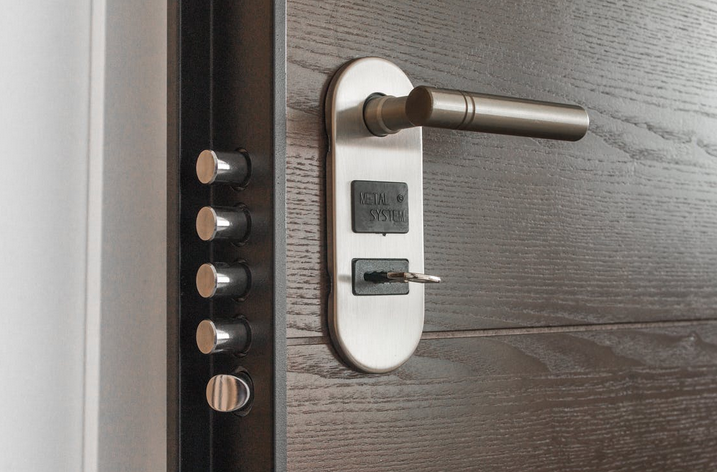
 Another great advantage of an intelligent home automation system is providing you with video surveillance and remote monitoring solutions. This means that you can see what is happening in your home, no matter where you are. It can be a beneficial feature if you have young children or pets. It can also help deter burglars, as they will know that they are being monitored. One of the best things about an intelligent home automation system is that you can remotely control all of your household functions. You can turn on your lights, appliances, and heating and cooling systems from anywhere.
 Another advantage of an intelligent home automation system is that it can increase the value of your property. An intelligent home automation system can be a selling point for potential buyers when you sell your home. They will appreciate the convenience and efficiency that these systems offer. This can help to make your home more marketable and increase its value.
 Military hacking is a thing, and it’s super dangerous if confidential state secrets and information fall into the wrong hands because it compromises the nation’s security. What if the enemy launched our nuclear warheads at our own people? What if they could shut down our nuclear base? What if they were able to obtain information about troop movements, secret bases that are still classified, etc.?
 Reliability is one of the important factors you should put into consideration when looking for an internet provider. As mentioned earlier in the text, many people these days heavily rely on the internet. Your work may be on the line depending on the type of internet provider you chose. You should ensure that you select someone who is always available.
 Conventional slips are limited in a way that they cannot be used to promote other products. Some stores have been using the paper slips to showcase their new products, but the method is not effective as customers barely see what is printed other than the total price. However, things are different with the new invention as it offers a more economical choice and an effective platform to promote products. Digital receipts are often linked to the store’s main website to guide and inform the customers that the store has the items they need.
 Different brands and models of smart locks have different features. However, the way they function is the same. They are wireless locks that can be locked or unlocked through a particular authentication method. Usually, it is through the user’s smartphones by either wifi or bluetooth connection. This tech is a part of home automation systems, like Apple Home Kit, PiDome, OpenHAB, Home Assistant, Fhem, etc.
 Robovacs are the hype of household tech. Some are engineered to work fully automatic, which means that you don’t need to recharge the robovac because it can return to the charging port by itself. However, this model is extremely expensive. It will cost you $800 to $1200 on average. Therefore, we recommend you the most economical product, Conga 3090.
  Air conditioners today are designed to use energy as efficient as possible. They are equipped with advanced sensors that can control electrical use according to the need. We have discussed one feature briefly in the opening paragraph, which is the air conditioner’s ability to detect how many people are in the room, and how much cooling energy the machine must spend. Another feature to know is that the air conditioner that can integrate with wifi connection.